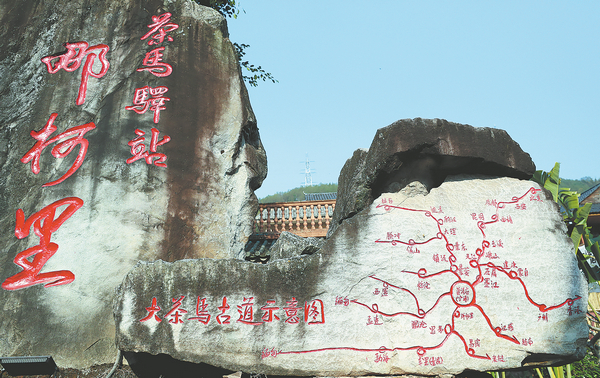
Tea Horse Road
Overview
The Ancient Tea Horse Road, was an intricate network of trade routes connecting the provinces of Sichuan, Yunnan, and Guizhou to the Xizang autonomous region. This historic route, which emerged over a thousand years ago, facilitated the exchange of tea, horses, and various goods, becoming a crucial artery for cultural and economic interactions across diverse regions. Notably, the route traversed some of the world's highest altitudes, forming an unparalleled conduit for trade and cultural exchange that significantly contributed to the histories of China and its neighboring lands.
Historical Significance
The Ancient Tea Horse Road played a pivotal role in the economic and cultural exchanges between ancient China and regions such as Tibet, India, and beyond. During its peak, caravans embarked on arduous journeys, transporting tea from Sichuan and Yunnan to Tibet, where it was exchanged for horses and other local products. This trade was vital for sustaining military needs and enhancing social interactions. The route supported cultural diffusion, as evidenced by the intermingling of Han and Tibetan cultures, and facilitated the spread of Buddhism, art, and customs throughout the regions it connected.
Cultural and Economic Impact
The Tea Horse Road has left a lasting cultural legacy, visible in the diverse ethnic tapestry of the regions it traverses. The route not only enabled the trade of tangible goods like tea and horses but also fostered intangible cultural exchanges, influencing art, religion, and social practices. Ethnic groups along the route, such as the Blang and Naxi people, have preserved unique cultural traditions that continue to thrive today. Economically, the route facilitated the growth of numerous cities and regions, becoming a lifeline for trade and commerce. The tea trade in particular became a cornerstone of regional economies, with areas like Yunnan and Sichuan gaining prominence as major tea producers. This historic trade route has also inspired modern efforts to revive regional tourism, leveraging the rich cultural heritage and natural beauty of the landscapes it connects.
Modern-Day Relevance
In contemporary times, the legacy of the Ancient Tea Horse Road is being revitalized through initiatives that promote cultural tourism and sustainable development. Tourism initiatives have emerged, showcasing the region's unique cultural and natural heritage, attracting visitors keen to explore the historic and scenic wonders of the road. Additionally, modern projects focus on the integration of tea culture with tourism, providing economic opportunities and preserving traditional practices. The road's historical narrative continues to captivate global audiences, encouraging cultural exchanges and fostering a deeper understanding of China's rich historical tapestry. Article reference1. Photo exhibition reveals Shanxi merchants' courtyards. en.chinaculture.org. 20242. A home of values protects heritage. en.chinaculture.org. 20223. Tea brews up success in villages. chinadaily.com.cn. 20214. The best of the west. chinadaily.com.cn. 2019Photo Gallery(4 pictures)CategoriesCultural ExchangeTagInternational Cultural ExchangeRelatedSix Major Categories of Chinese TeaPu'er TeaBlang Ethnic GroupYunnan Black TeaCatalogue1. Overview2. Historical Significance3. Cultural and Economic Impact4. Modern-Day Relevance- - - []








